
experienced candidates will interview you, as much as you interview them.
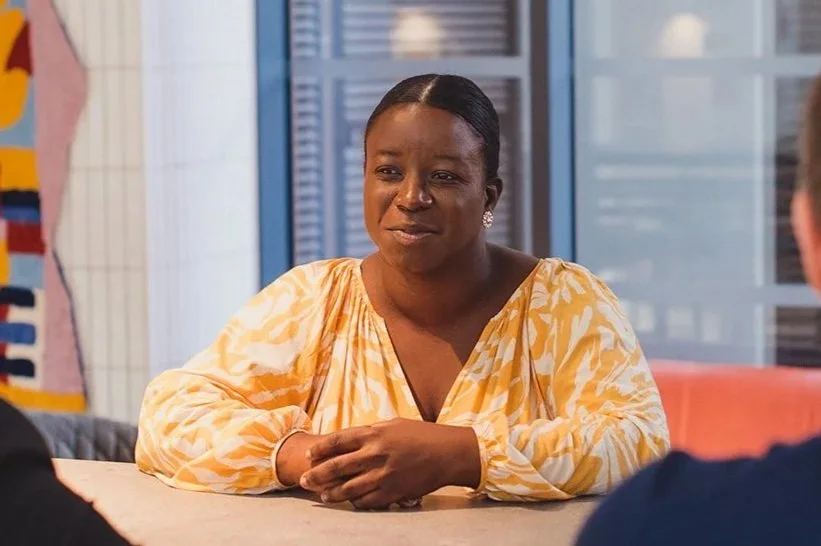
Senior‑level talent interviews can be more of a two-way conversation, than a Q&A. Because experienced candidates aren’t only there to answer your questions, they’re arriving ready to ask their own. And they won’t be waiting for their turn to question you in the final two minutes. They want to understand you, your culture, your leadership style, and whether your workplace is somewhere they can make an impact.
And that’s healthy. It’s as it should be.
Experienced candidates have seen inside workplaces that you haven’t. They’ve seen what good looks like, and what doesn’t. They have a sense of the culture or structure that will work for them. So, when they start interviewing you, it’s due diligence. It’s the mark of a good candidate.
In the same way that you’re measuring them against other options, they too are considering whether you’re worth the investment. And that’s even more the case when the candidate is currently in a role, because they need to be truly convinced to move.
A candidate that asks questions in this way should be admired. The questions they ask are an indication of their experience and commitment.
Can I deliver here at the highest level? Will I be supported to be innovate? Is this really a strategic role? What’s the culture like and what can it become? Is the leadership team clear on outcomes?
They’re being strategic.
But some employers do get thrown by this experience. They can expect candidates to answer questions and wait to be judged. But when someone at that level starts asking thoughtful, considered questions, it gives you a brilliant window into whether their a good hire for you.
This all becomes far more productive when someone like me, as an expert recruiter in senior hospitality placements, has already selected a strong shortlist against your criteria. When I suggest candidates to you, I’ve already taken time to talk to them in detail, understand their character and experience closely. And, I’ve:
Matched them against your strategic and cultural criteria
Understood their motivations and expectations
Made sure they’re clear on the role, the challenges, and the context
Prepared them for the areas you’ll want to explore
So, when they start ‘interviewing’ you, it’s highly relevant and constructive. It’s exactly the kind of conversation that helps both sides work out whether this is the right match.
If a senior candidate interviews you, take it as a positive sign. It means they’re engaged, thoughtful, and serious about the opportunity. The best senior hiring processes are always two‑way. And when the recruiter has done the heavy lifting upfront, those conversations become richer, more meaningful, and far more likely to lead to a successful hire.