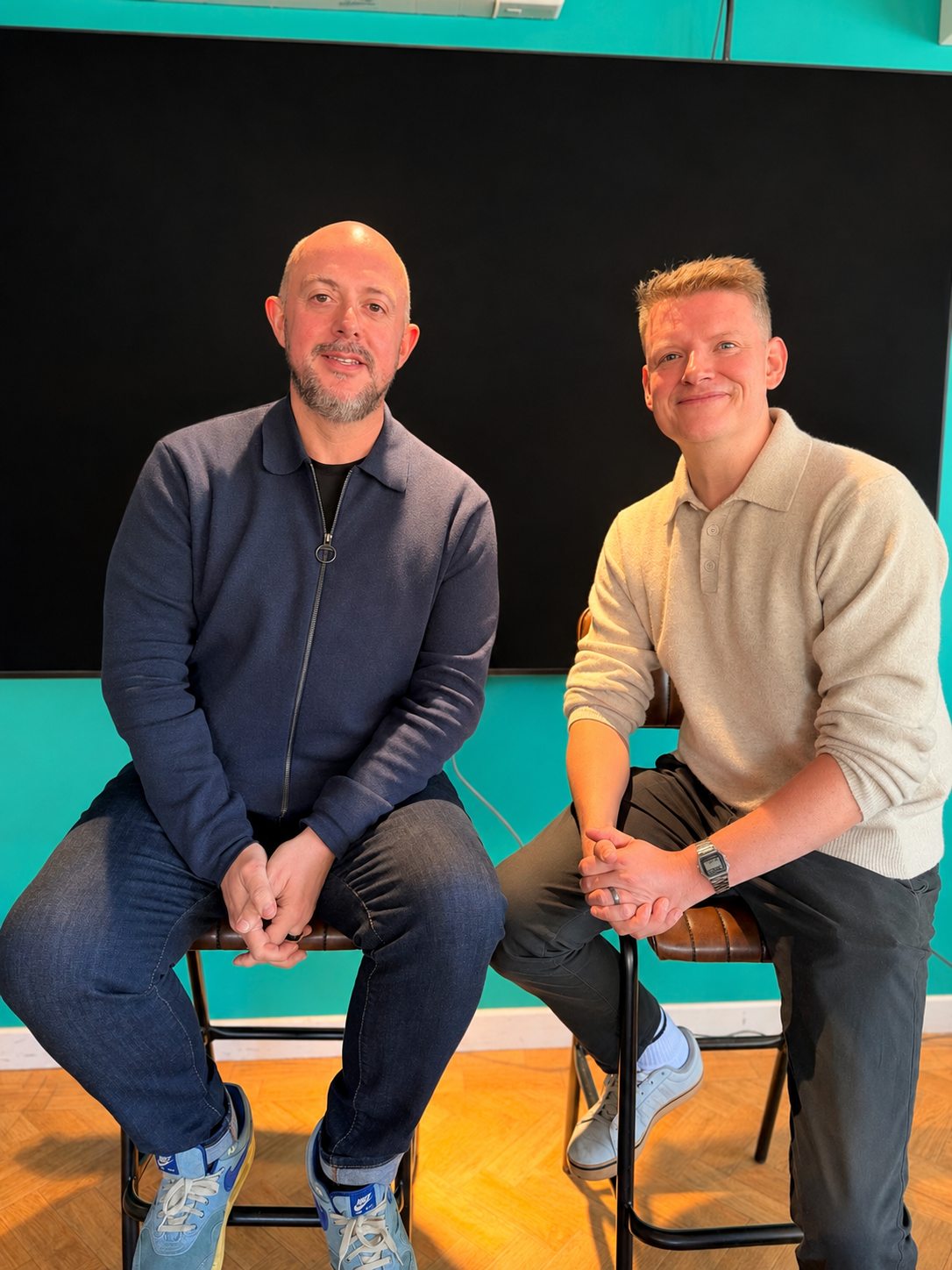
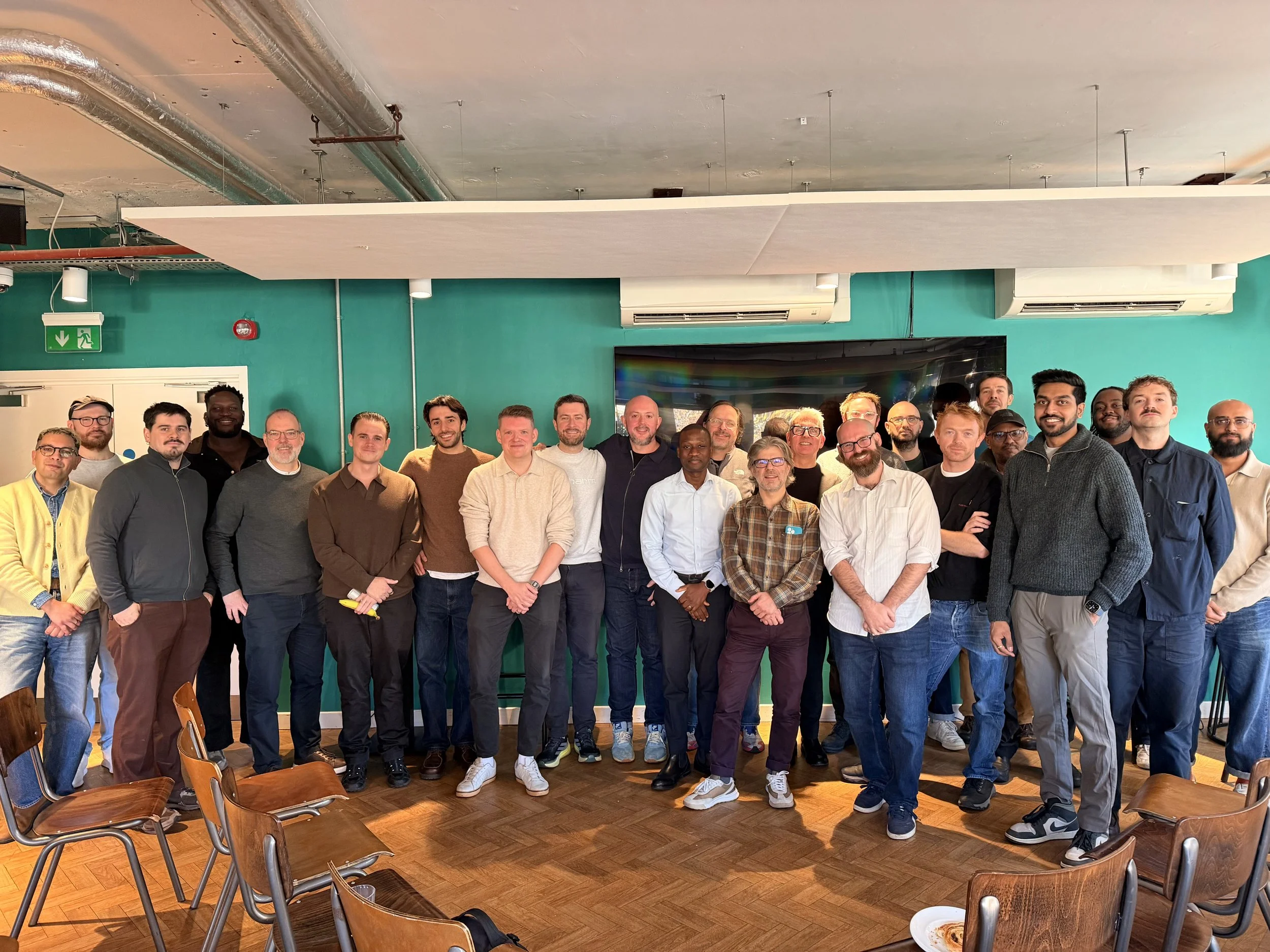
Yesterday, I had the privilege of speaking at a very special International Men's Day breakfast event in London hosted by mum and Kelly’s Cause. I shared some of my own experiences with mental health and then spent the next couple of hours listening to those of others.
Listening. Reflecting. Sharing. These are things we don’t do enough of.
The room was filed with men from different backgrounds, ages and stages of life. Some chose to share openly, others preferred to listen, consider and take things in. There was no expectation to contribute and no pressure to share. Everyone was there for their own reasons and that was important.
As I've mentioned here before, and in conversations on stages over the last few years, over the last 7 years I've paid close attention to my own physical and mental health and been on an intentional journey to continually improve. That first step on that journey was in some ways the most important.
One of the biggest misconceptions I had back then was that resilience was about coping. Keeping things to myself, pushing through. Being the person who could always manage whatever happened. For a long time, that's exactly what I did.
But that attitude doesn’t work, over time. Work pressures build up, relationships change, financial worries can emerge. We lose people or experience setbacks. We can start to question ourselves or develop unhealthy habits that only serve to make us feel worse in the long run. Most men I know have faced some combination of those things whilst trying to convince themselves and everyone around them that everything is fine.
That’s certainly what I did.
A turning point for me came when I realised that whilst some of the things affecting my mental health weren't within my control but many were, and how I dealt with my mental health was absolutely my responsibility.
I had spent years somehow waiting for things to somehow improve, believing that if circumstances changed or time passed then I'd be able to make changes and feel better. In the end I realised I needed to take ownership. I needed to own the support I needed, boundaries I set, habits I built and conversations I was avoiding. For me, that meant asking for help. It sounds obvious now, but it felt so much harder at the time.
Once I accepted that I needed to ask for help, it didn't solve everything overnight, but it helped me stop pretending I was OK when I wasn’t. Recognising what's going on, being honest about it and taking the steps you need to take, even when they're uncomfortable, is the first most important step. And sometimes, the first time you name the problem is the first step to change.
And that’s why events such as the Kellys Cause event are so important. There was the honesty in the room. When somebody shared something deeply personal you could feel the recognition.
It’s not unusual to talk about mental health awareness, but I am not sure awareness is the challenge. Most people understand that good mental health matters, but what really matters is that we create environments where people feel safe enough to have honest conversations about it.
Kelly’s Cause don’t have all the answers, but they create opportunities for people to listen, speak openly and realise they're not alone.
I left the event this week feeling really grateful to Market Halls for hosting us yesterday, to everyone who attended and contributed to the conversation, to Adrian Jackson for leading such a thoughtful and supportive discussion and of course grateful to Kelly's Cause for continuing to make space for conversations that are probably needed more than ever.
Remember, strength doesn't come from carrying everything on your own. It comes from recognising your own level of wellbeing, knowing when to ask for help and being open and honest from that point forward.